
Flower Care Starts With Observation
The FlowerHorizon approach keeps growing flowers practical: check the soil, notice how leaves and stems respond to light, handle roots carefully, and make small adjustments instead of following one rigid routine for every plant.
Build Better Growing Decisions
Rather than memorizing care instructions for every flower, practice reading moisture, drainage, light, root condition, and new growth. These observations help you decide when to water, move, thin, transplant, or leave a plant alone.
Small batches of seeds, simple containers, and regular plant checks make it easier to connect each care decision with what happens next.
Read Soil Moisture
Check below the dry surface before watering so roots are not kept in constantly wet potting mix.
Watch Light Response
Notice leaning, leggy stems, leaf condition, and new growth when comparing brighter and shadier positions.
Handle Roots Gently
Support the root ball during potting on and transplanting instead of pulling young flowers by their stems.
Practice With Real Plant Signals
Flower growing becomes easier to understand when each action has a visible reason, from checking germination and true leaves to noticing wilting, yellowing, crowded growth, or spent blooms.
Small Growing Experiments
Compare small batches under different light or moisture conditions and observe how seedlings respond.
Useful Care Checks
Inspect soil, leaves, stems, buds, and drainage before changing watering, feeding, spacing, or placement.

Keep The Process Manageable
You do not need a complicated setup to practice flower care. A few suitable containers, potting mix, seeds or young plants, controlled watering, and regular observation provide enough information to build better habits.

Change One Thing At A Time
Adjust light, moisture, spacing, or
feeding separately when possible so it is easier to understand how the plant responds.
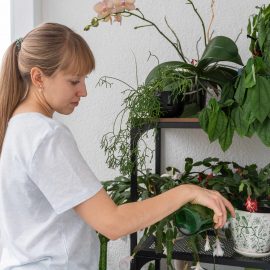
Treat Problems As Clues
Weak seedlings, slow growth, yellow leaves, or poor germination can point toward a care decision worth checking rather than immediate failure.

Notice Gradual Improvement
Better moisture control, healthier new growth, and more accurate plant checks are practical signs that your growing decisions are becoming more informed.